Global Offshore Energy Engineering Industry News Portal, known as OffshoreWire, is a proposed bilingual information portal for the global offshore energy engineering industry. It is designed for offshore contractors, wind developers, vessel owners and suppliers, equipment manufacturers, engineering firms, procurement teams, project investors, and other professionals who need to understand how offshore projects are planned and delivered. Its central question is practical: what has changed, what has been demonstrated, what conditions must be met, and what risks remain before a project or technology can succeed?
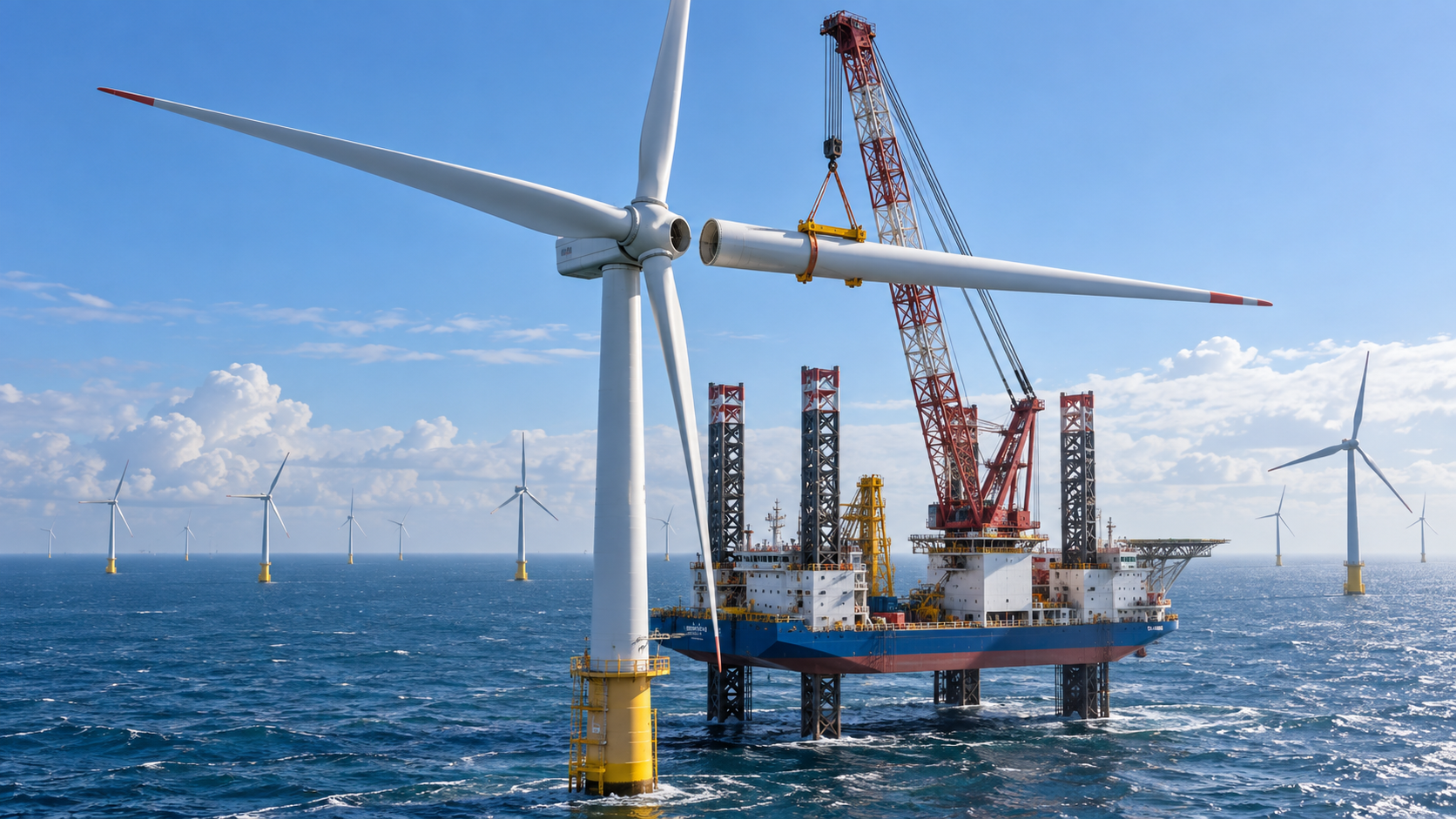
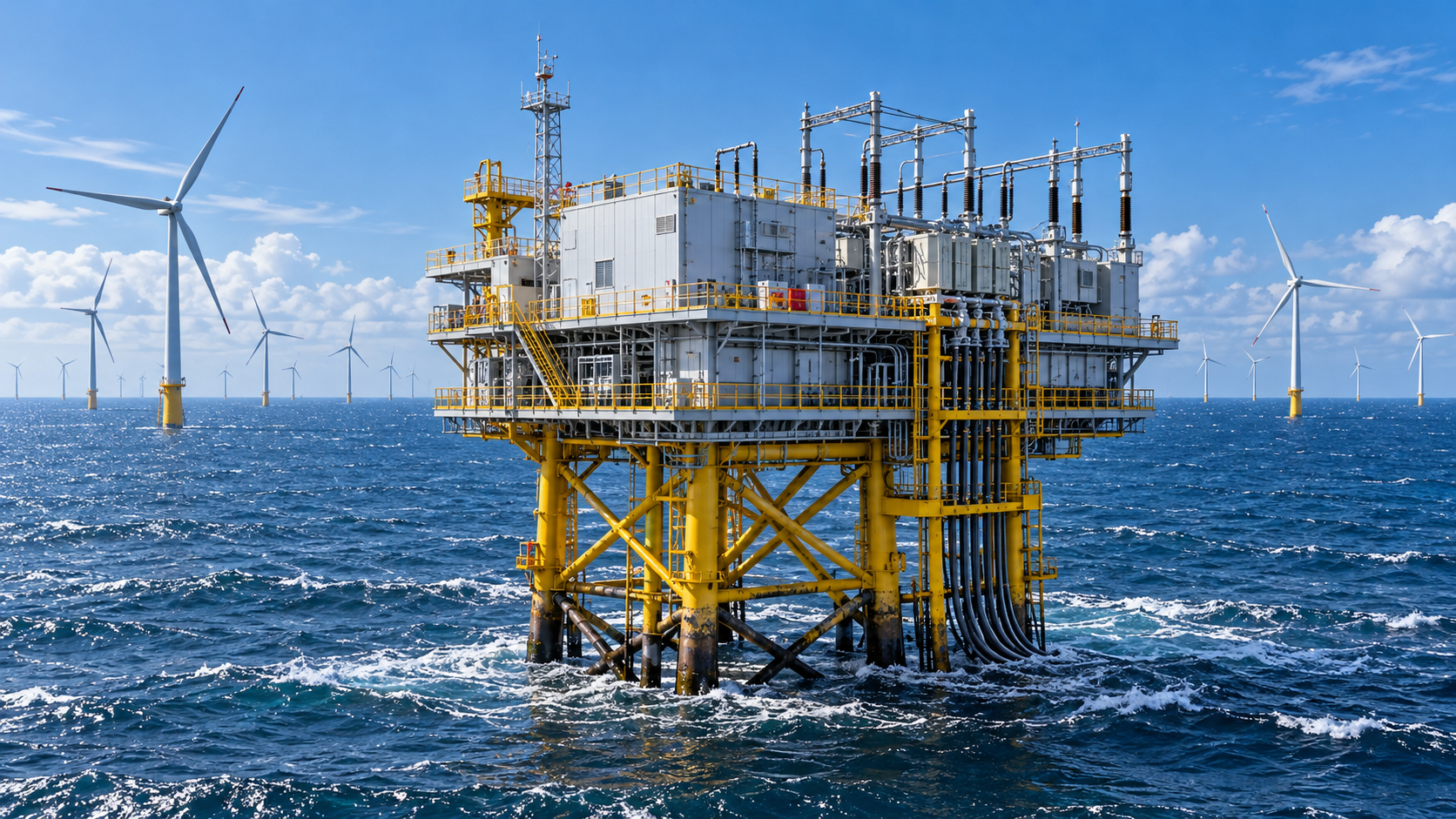
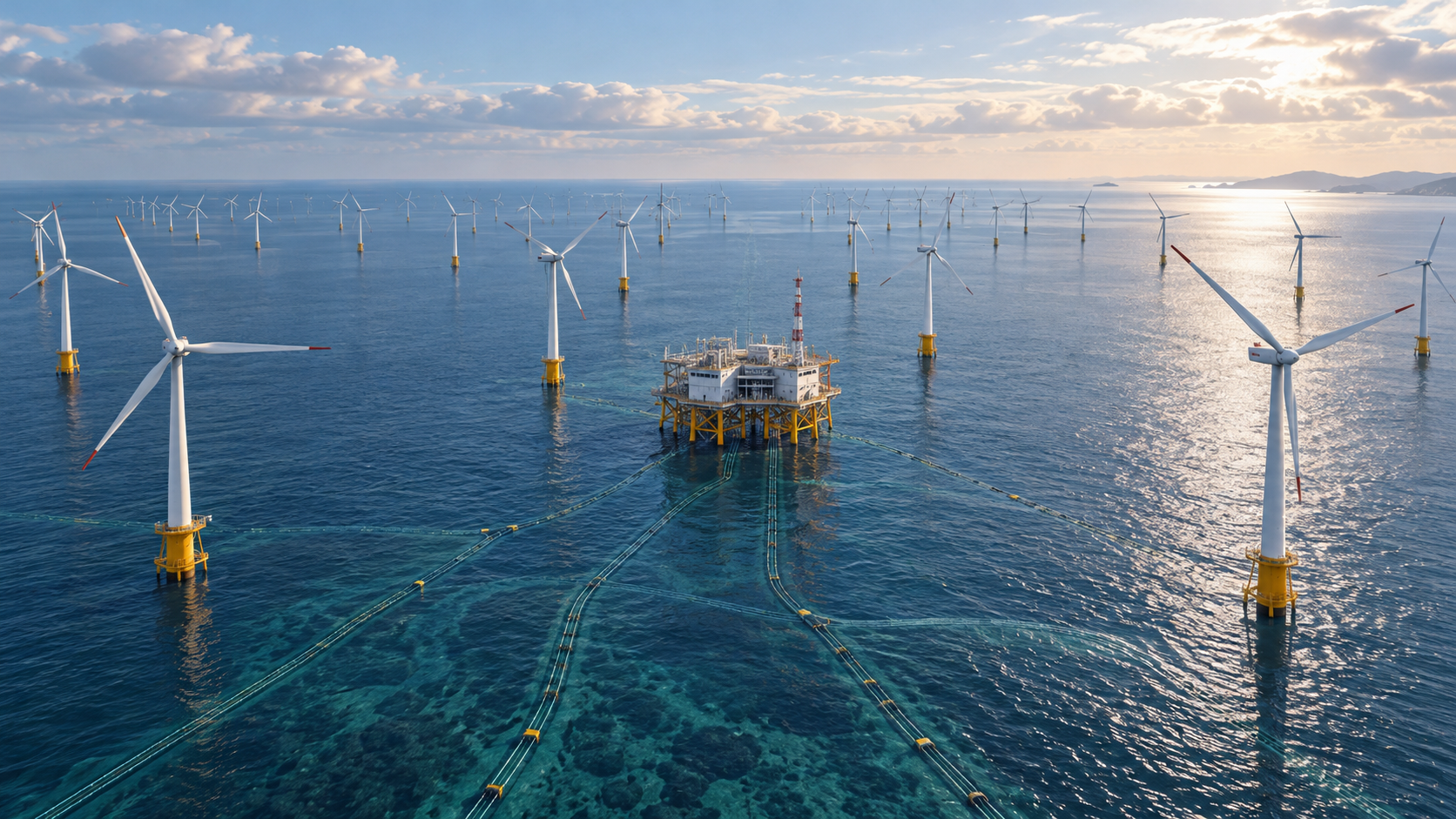
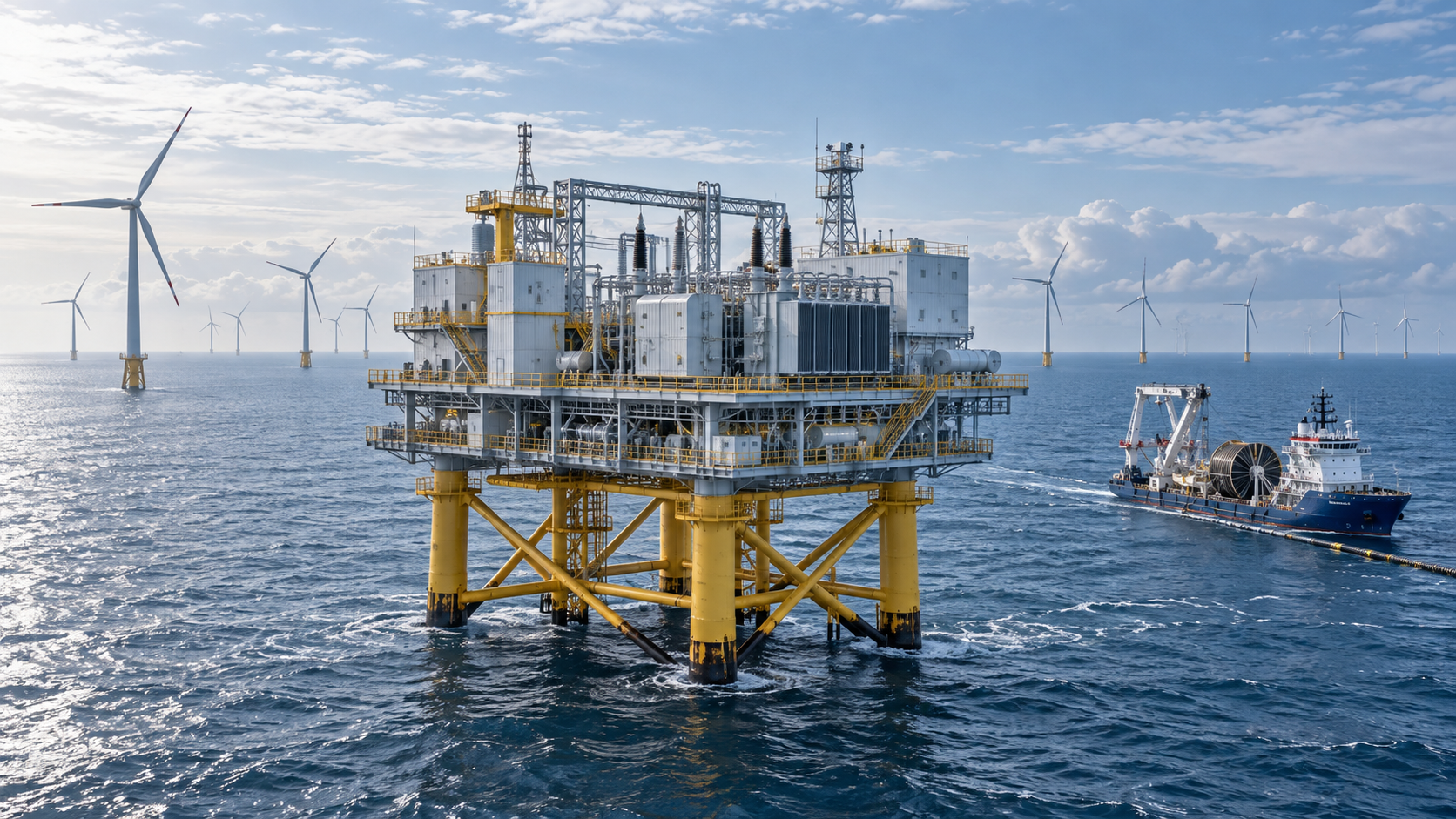
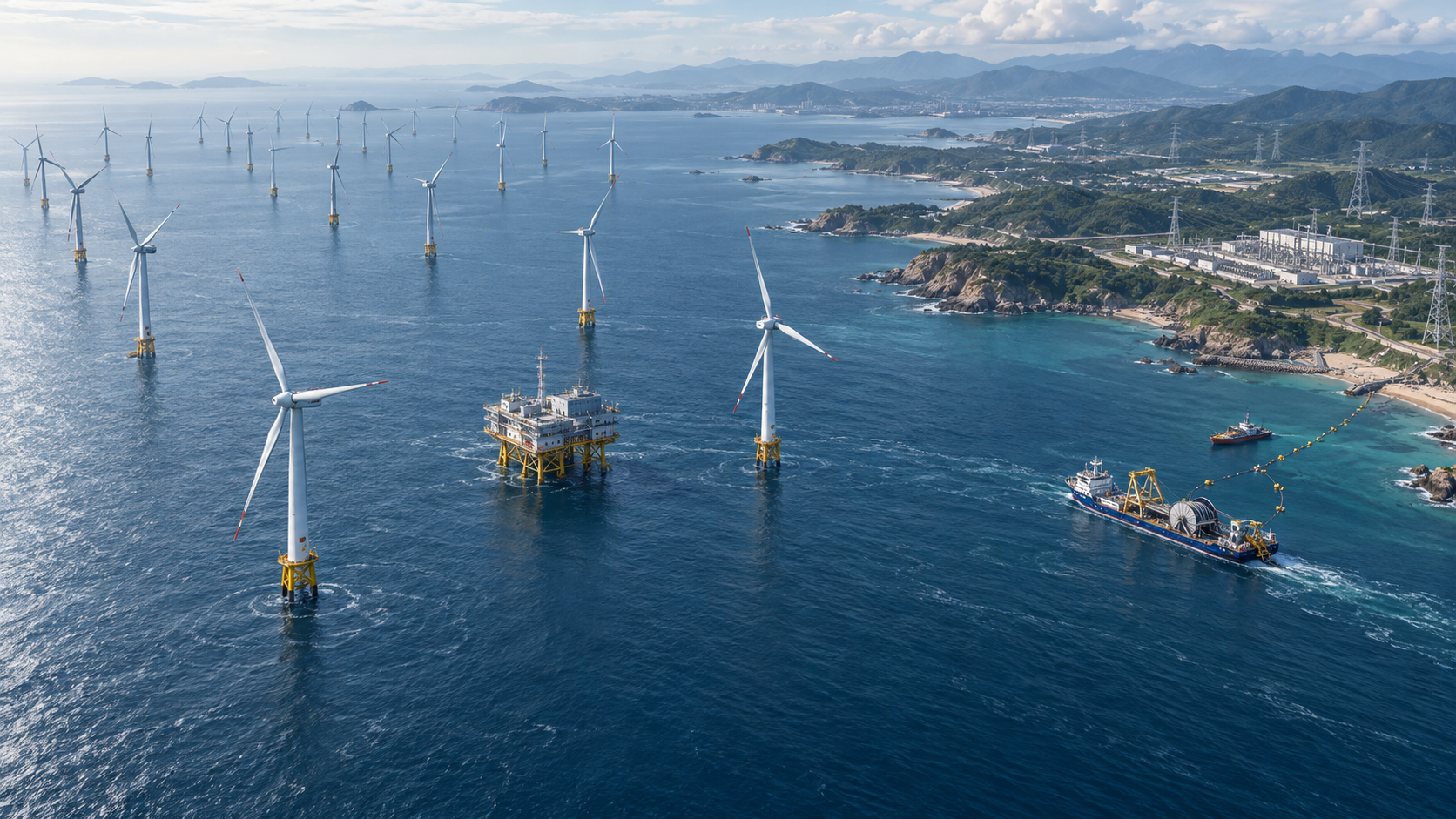
OffshoreWire will cover offshore energy as a connected engineering and commercial system. Its reporting will span offshore wind installation, oil and gas infrastructure retrofits, offshore hydrogen development, subsea cables, installation vessels, foundations, ports, and supporting supply chains. A component or vessel cannot be evaluated in isolation. Its value depends on water depth, seabed conditions, metocean conditions, project schedule, installation method, available crews, port capacity, maintenance access, and local requirements. The portal will place specifications and announcements within those conditions.
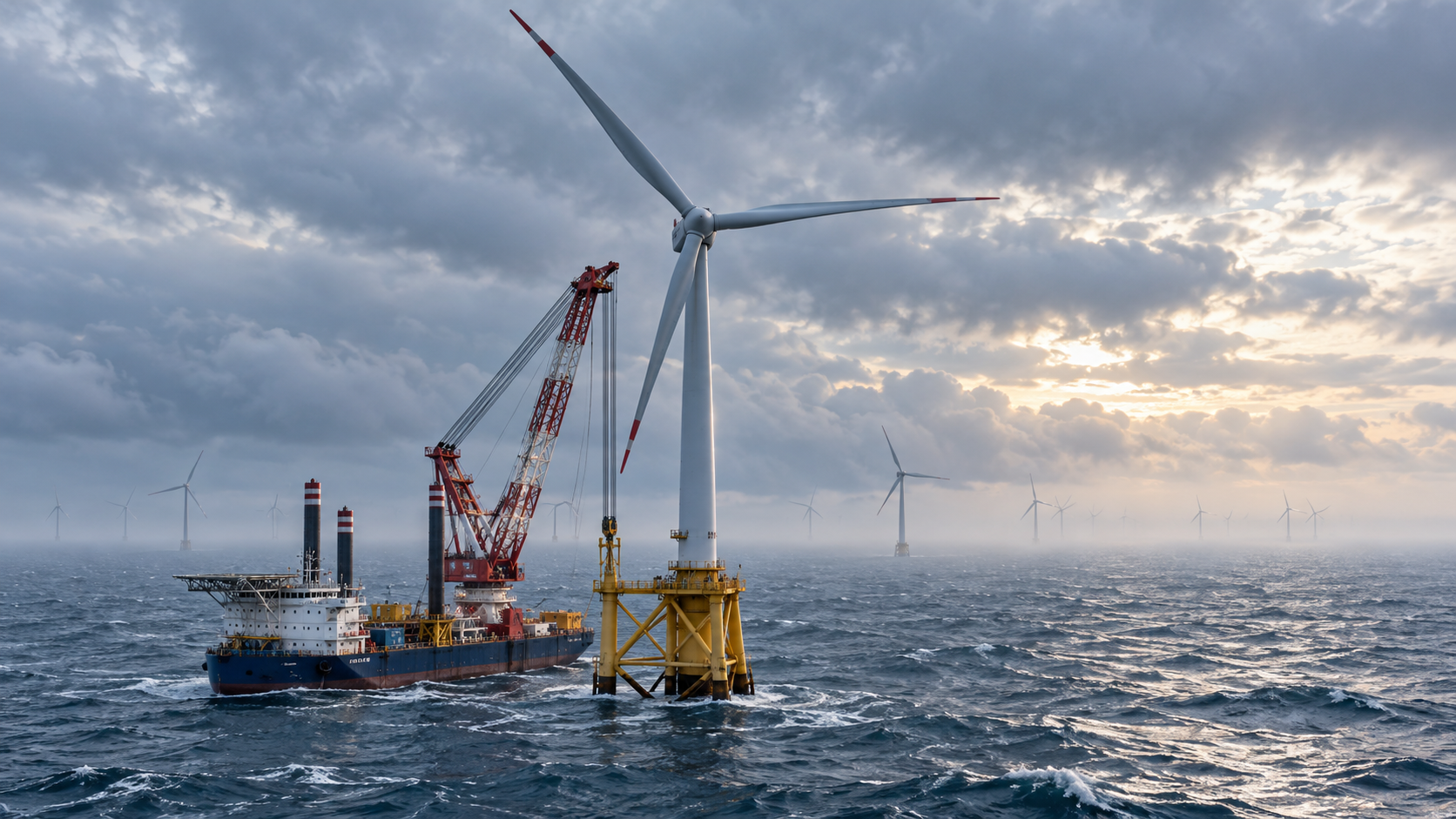
The publication’s main focus will be offshore construction risk and project delivery. Reports will examine permitting, engineering design, tendering, equipment availability, vessel mobilization, weather windows, installation sequencing, commissioning, and later expansion. Project coverage will clearly distinguish proposals, tenders, awarded contracts, construction activity, commissioned facilities, and operating assets. A stated capacity in an early announcement will not be presented as installed or producing capacity. This distinction will help readers assess the maturity of opportunities and the evidence behind industry claims.
OffshoreWire will organize its coverage around five connected areas: markets and policy; technology and equipment; projects and applications; supply chain and procurement; and data and outlook. Market reporting will follow regional demand, investment, permitting conditions, and the timing of policy or standards changes. Technology reporting will assess equipment readiness, suitable operating conditions, maintenance needs, and limitations. Project reporting will follow developments from announcement through delivery. Supply reporting will examine manufacturing capacity, inputs, lead times, and sourcing risk. Data reporting will explain the methods behind comparisons.
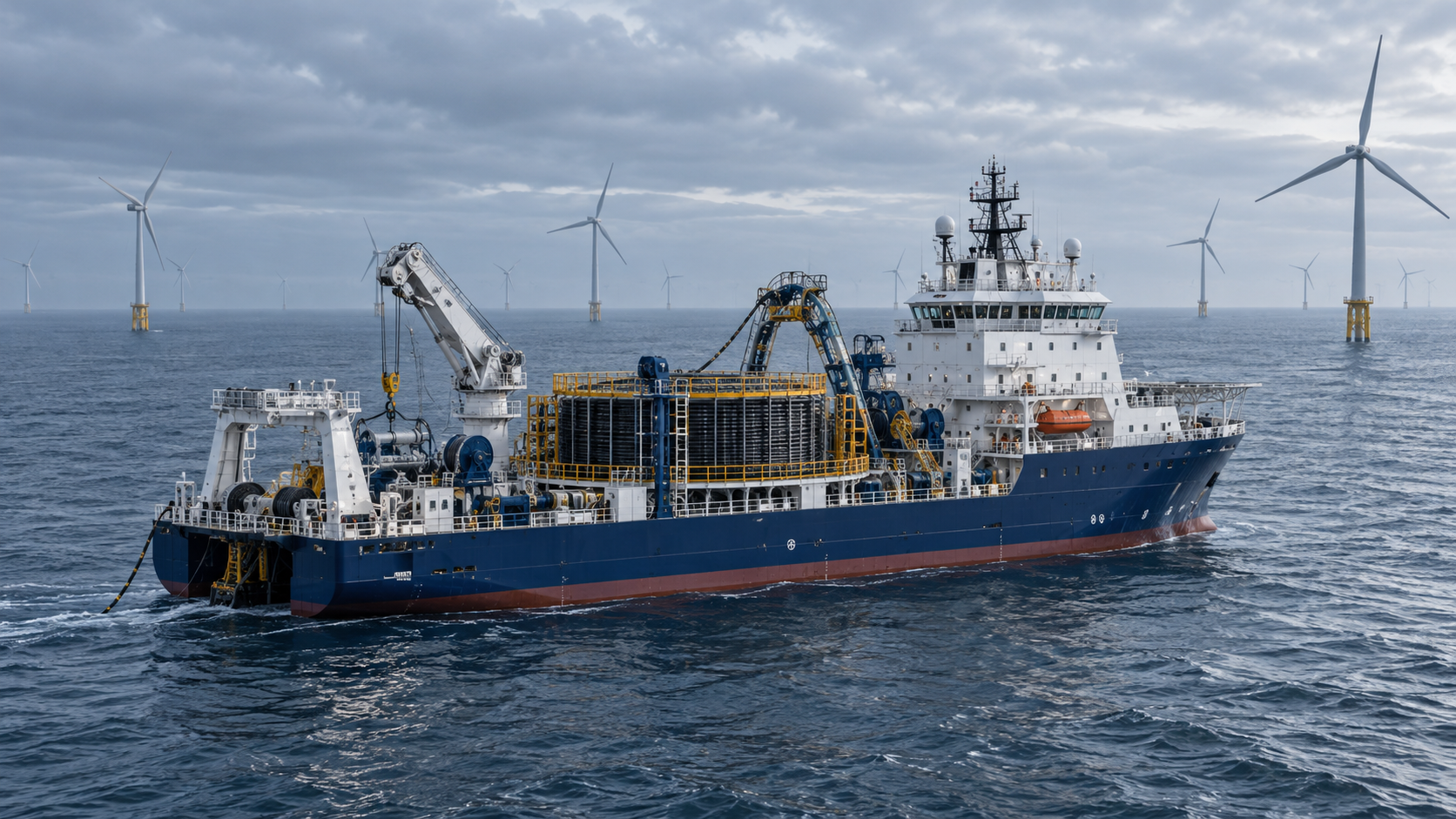
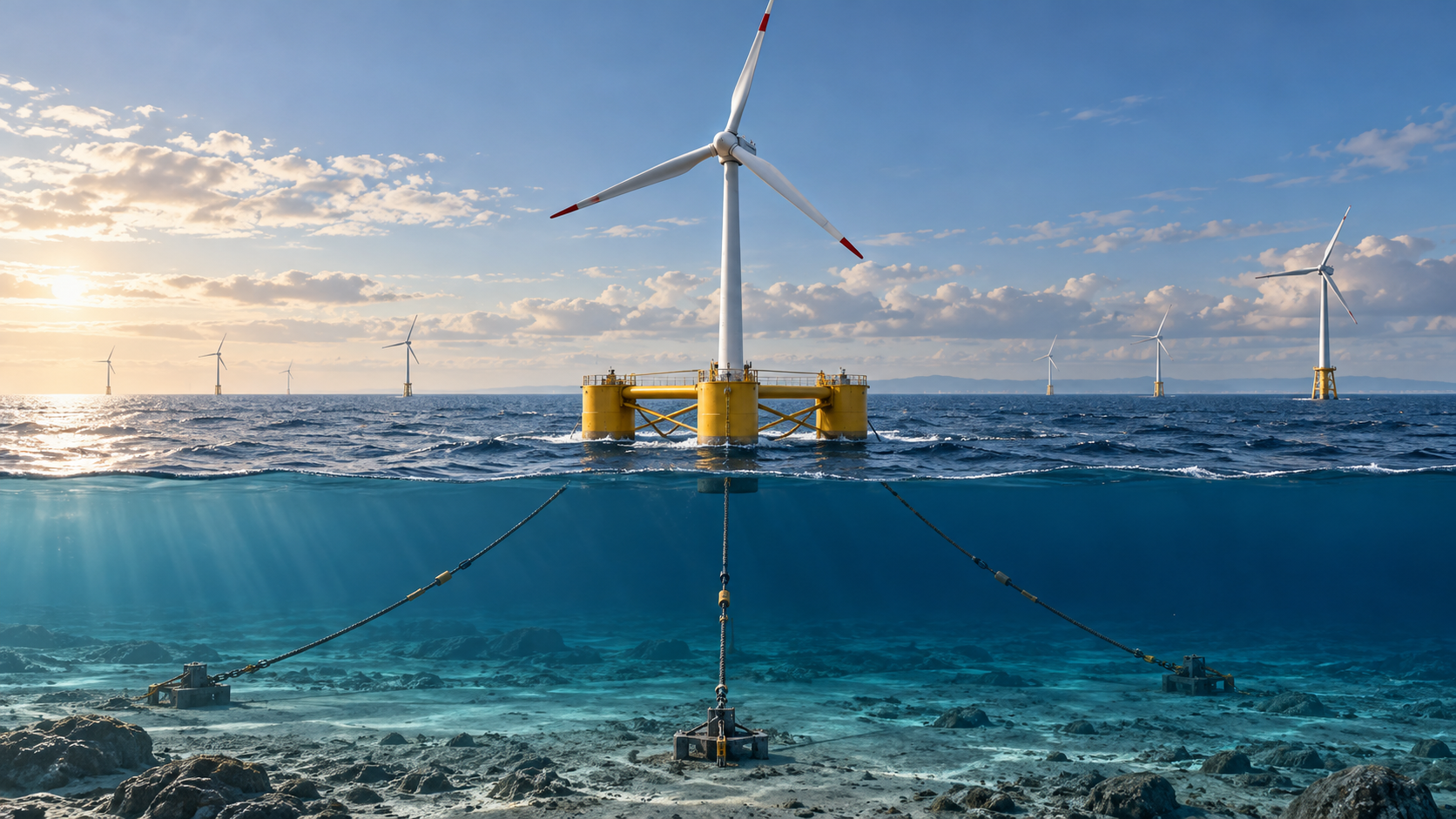
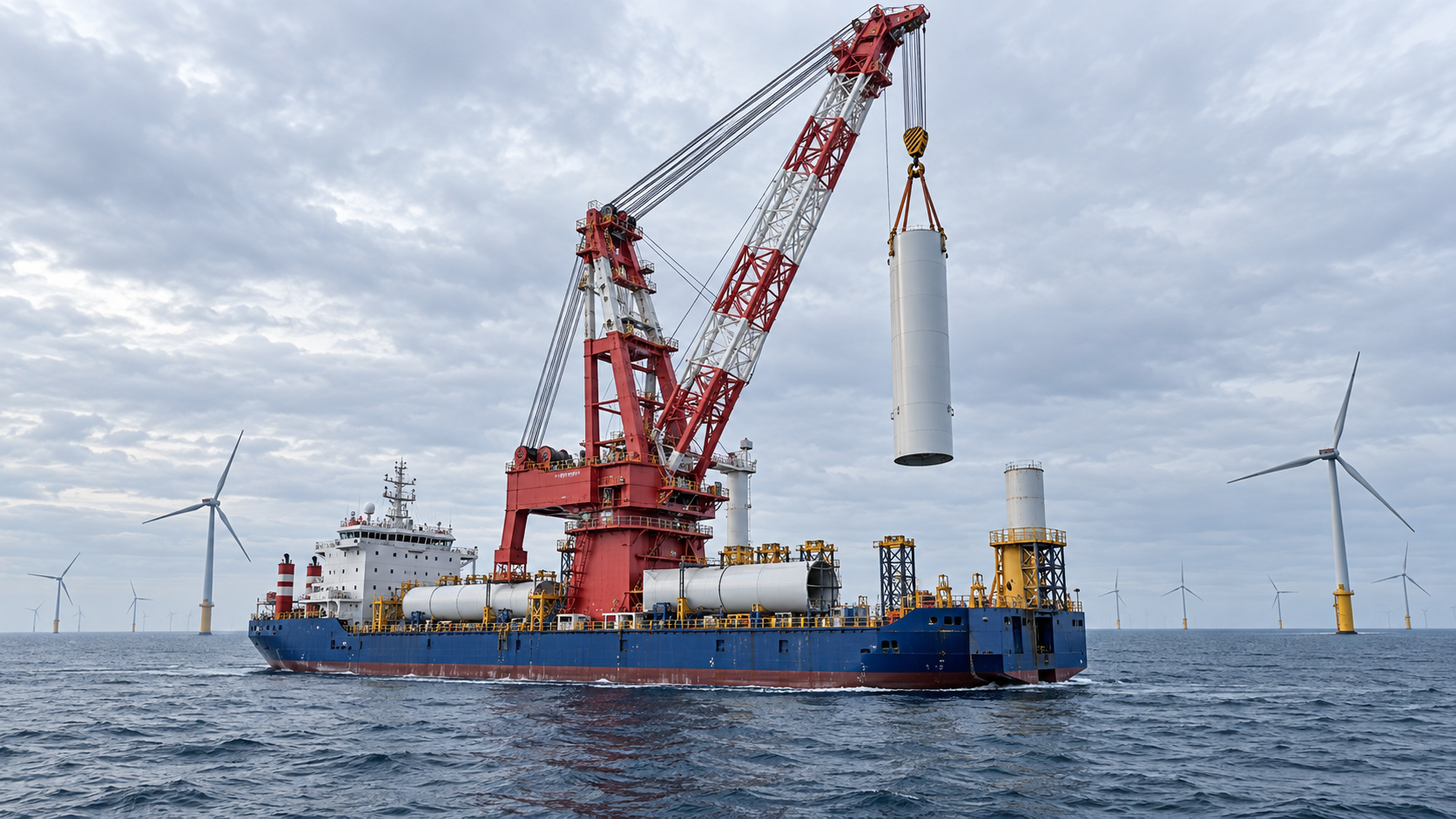
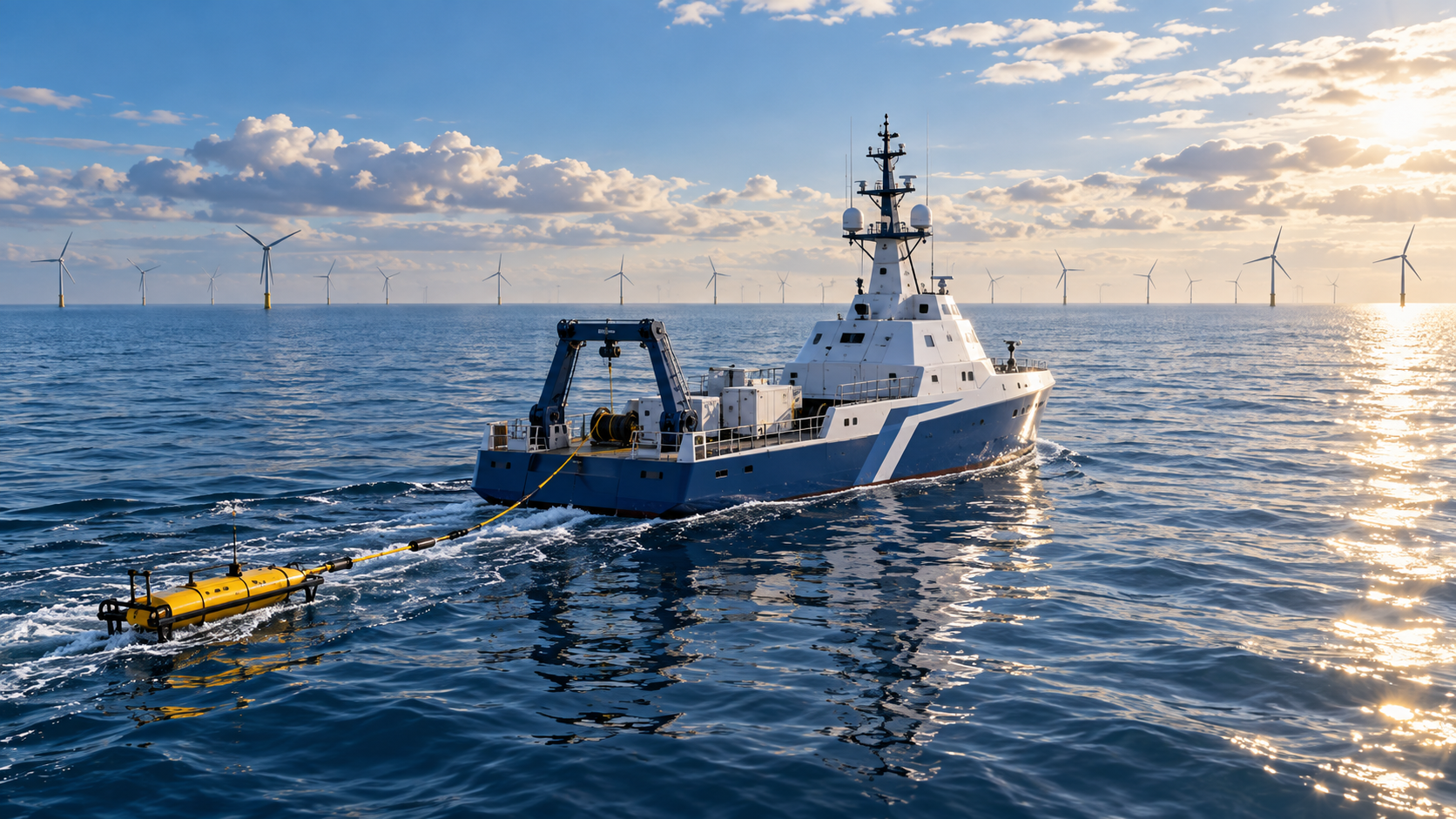
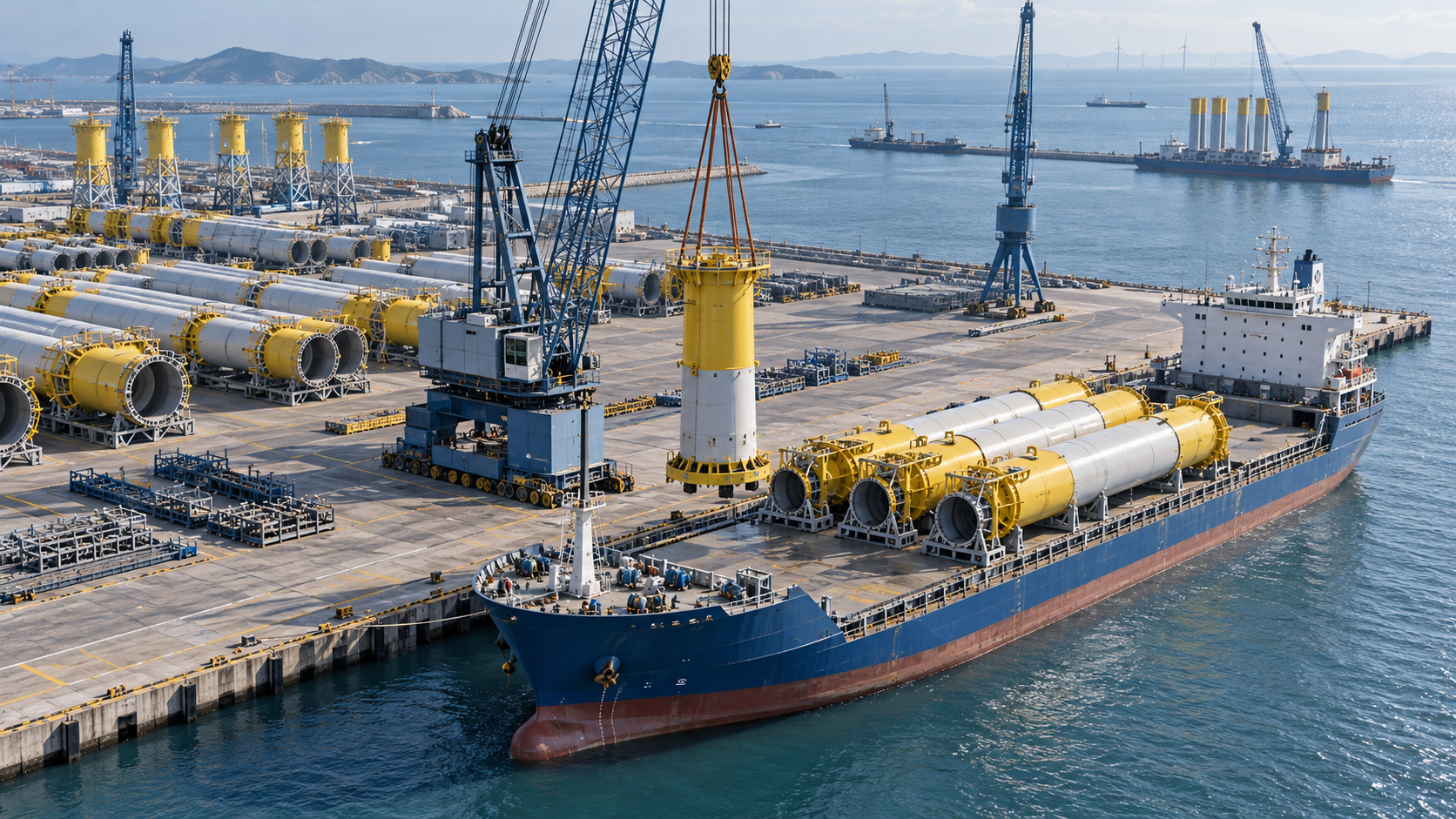
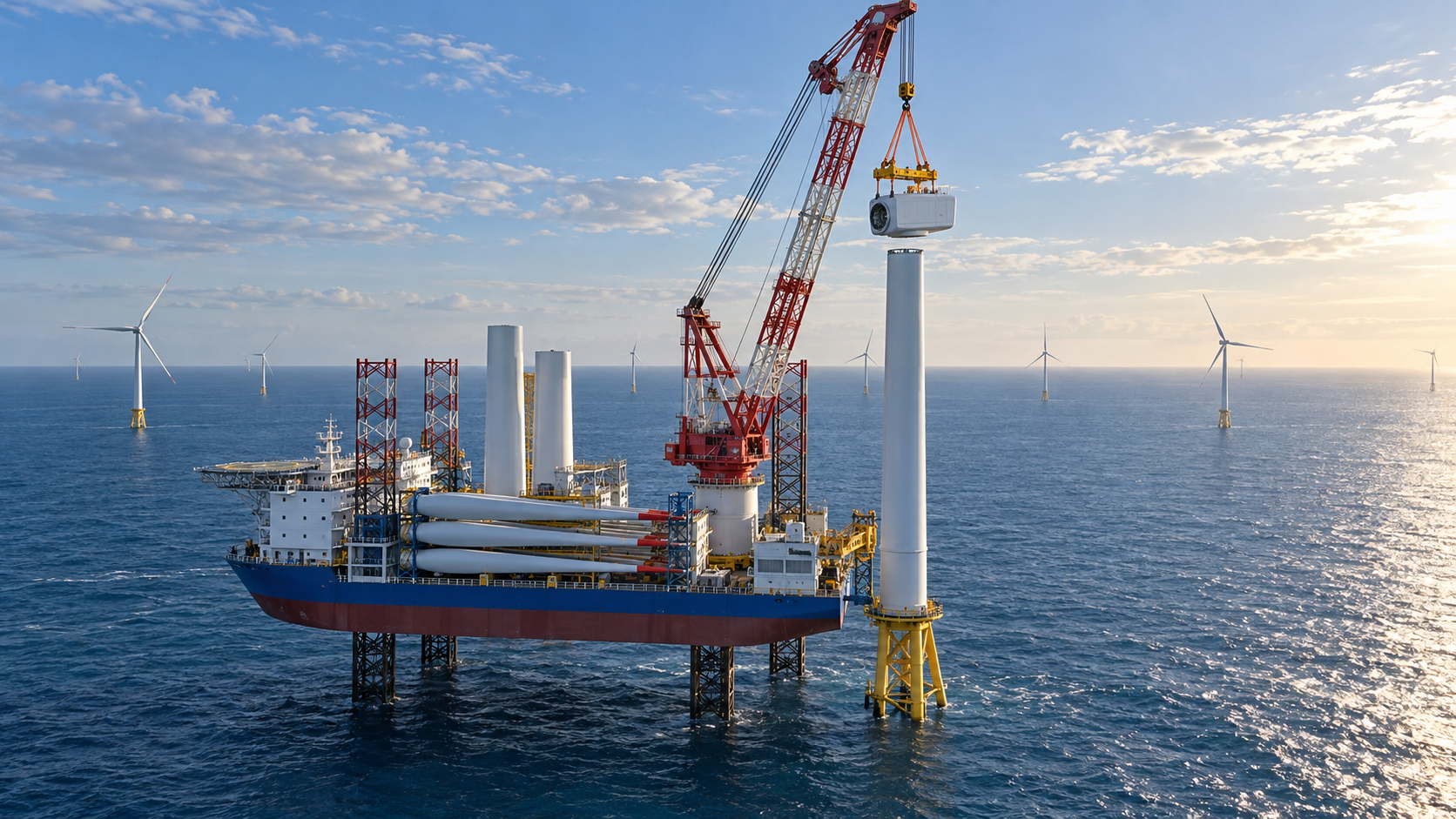
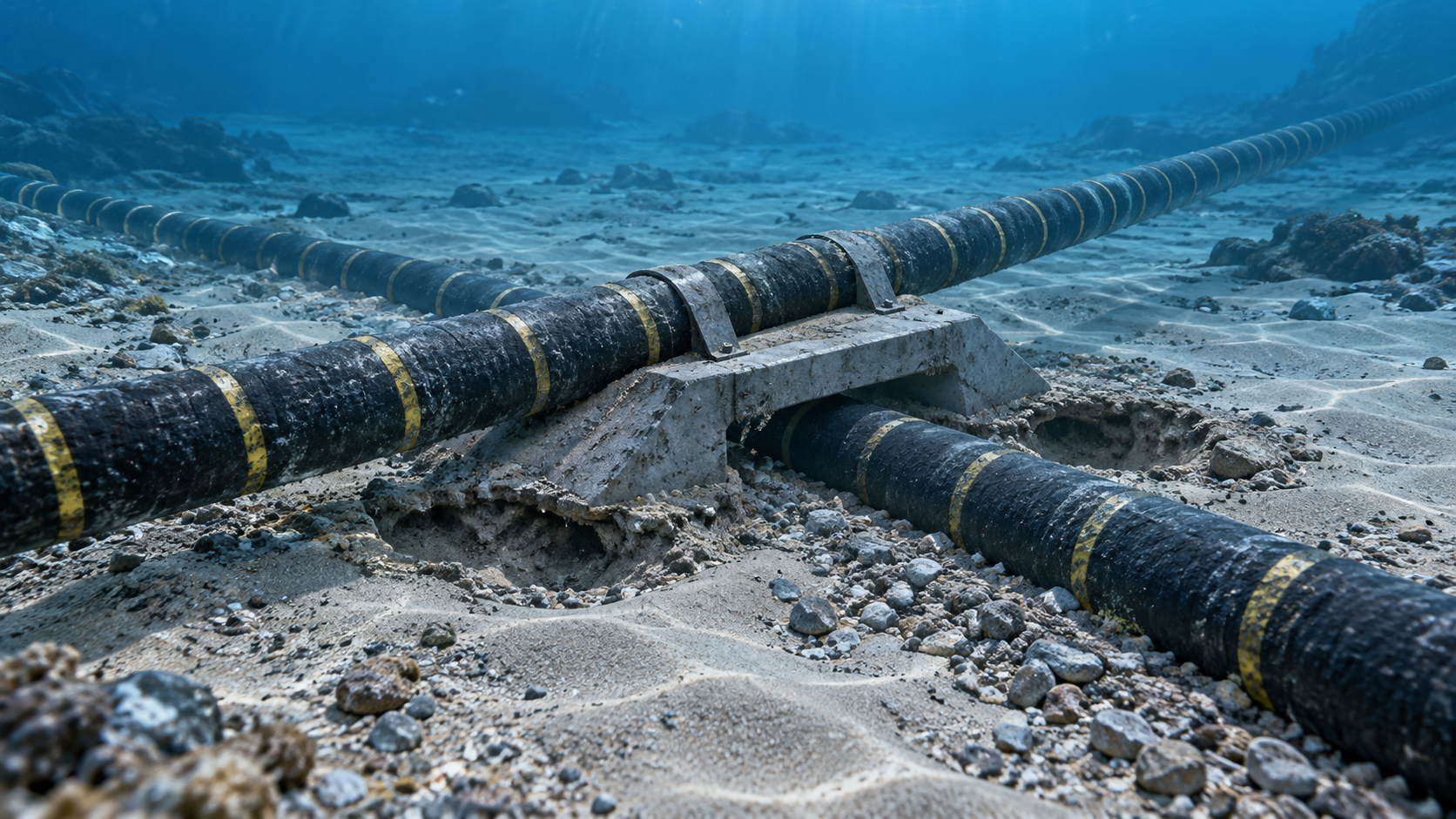
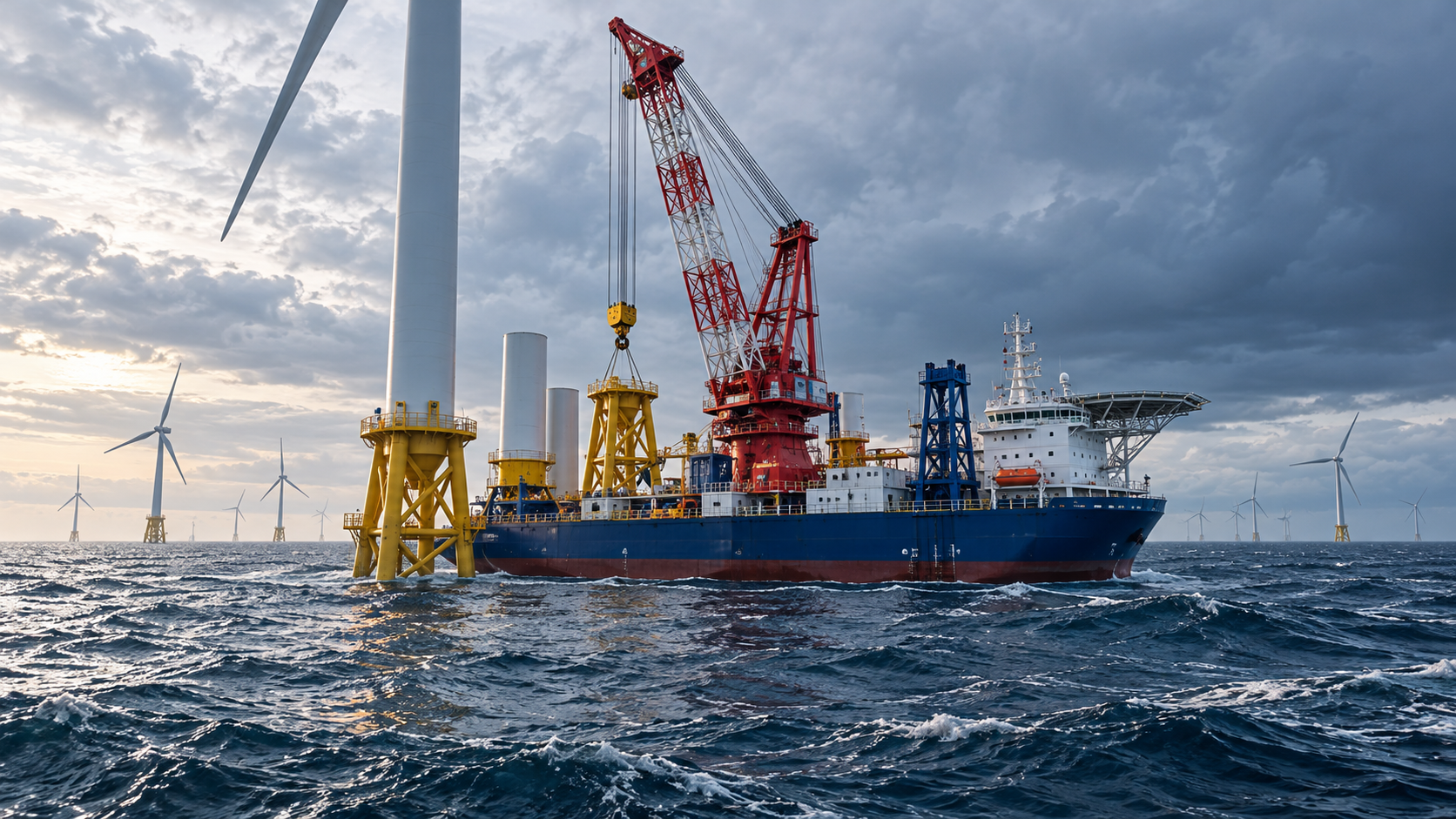
Technical articles will connect product specifications to actual offshore duties. Subsea cable coverage, for example, may examine cable design, installation constraints, protection, testing, repair access, and compatibility with the planned route. Installation-vessel reporting may consider deck capacity, lifting arrangements, station-keeping, equipment interfaces, port access, and operating limits. Foundation analysis may address seabed investigation, structural design, fabrication, transportation, installation tolerances, inspection, and long-term maintenance. OffshoreWire will identify the conditions behind a performance claim rather than assume that success on one project proves suitability everywhere.
Its commercial reporting will help readers understand the full cost and risk of adoption. Equipment purchase price is only one consideration. Engineering changes, mobilization, training, insurance, maintenance, spare parts, delays, financing, compliance, and eventual replacement can materially affect an offshore project. Reports will consider how these demands differ for a major developer, a regional contractor, and a smaller supplier. Procurement guidance will focus on defining requirements, comparing offers, specifying acceptance tests, and confirming service and training arrangements.
OffshoreWire will handle figures with particular care. Weather-window estimates, vessel utilization, installation costs, delays, and equipment performance can vary according to the sample period and calculation method. Articles will identify original units, geography, time frame, assumptions, and data boundaries when available. Cross-country comparisons will account for differences in currency, tax, freight, labor, regulation, and project scope. When credible sources produce conflicting figures, the portal will describe the methods and the unresolved difference so readers can judge the evidence.
The planned Chinese and English editions will be prepared from the same verified reporting record. Names, dates, technical terminology, units, quotations, and source references will be checked in both languages. This matters in a global industry where a mistranslated equipment specification, project milestone, or regulatory term can change the meaning of a report. OffshoreWire will aim to make the same factual account accessible to international teams working across languages, suppliers, and jurisdictions.
The portal will use structured research records to support consistent reporting. A project record will identify its owner, location, capacity, stage, milestones, and sources. A technology record will state performance, test conditions, compatibility, and known limits. Company coverage will describe documented activities, manufacturing capability, and applicable certifications rather than inferred capacity. Data articles will identify their source, update frequency, and method. These records will support later updates as projects advance and new evidence becomes available.
OffshoreWire’s credibility will depend on its editorial practices. News reports will identify the actor, date, location, primary source, and next milestone. Technical articles will distinguish supplier statements from independent testing and sustained field results. Substantial corrections and updates will retain a visible history. Relevant commercial relationships will be clearly identified, while factual conclusions will remain subject to editorial review. Claims involving safety, finance, or environmental impact will require particular care and reference to current local requirements.
The portal is planned as a durable professional resource rather than a stream of isolated announcements. Its early coverage will include an industry primer, comparative technology guides, a project tracker, a supply-chain map, and explanations of data methods. Later reporting can follow significant events and regular project reviews. By preserving context as projects move from plans to operations, OffshoreWire aims to help readers make better decisions about engineering, procurement, investment, and risk across the offshore energy value chain.